Most people do not start learning about roofing systems because they want to. It usually happens after something small gets their attention.
Maybe rainwater appears where it never did before. Maybe shingles look uneven after a windy night. Sometimes it is just a contractor pointing at the roof during another home repair and saying it might be getting old.
That moment changes things.
Homeowners start searching roofing materials, reading comparisons, asking neighbors what they installed. And somewhere during that process people often pause and try to learn more about metal roofing. Not necessarily to install it immediately. Mostly because it keeps appearing whenever durability comes up.
The research kind of grows from there.
Differences between traditional roofing and metal structures
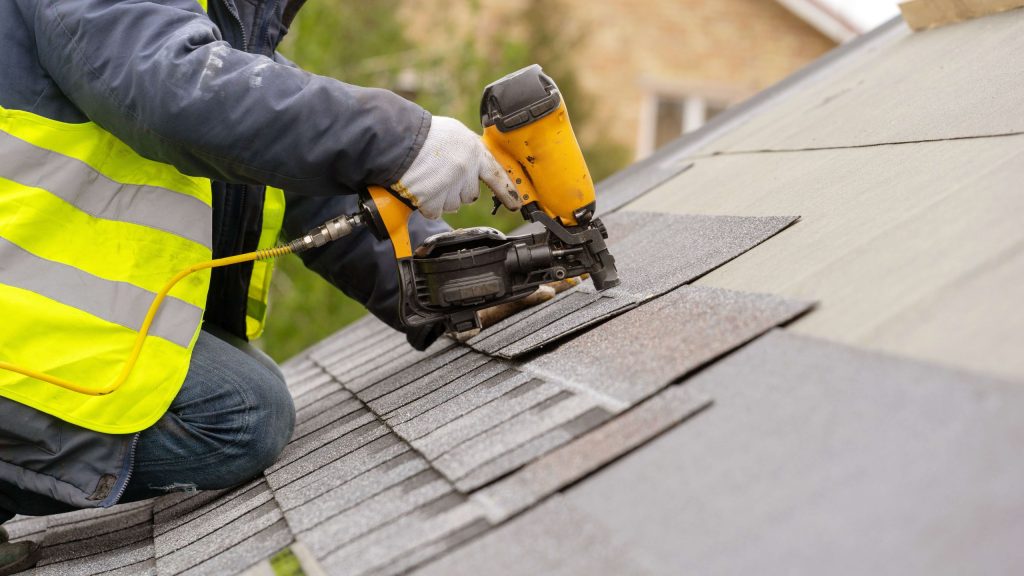
Traditional roofing systems usually rely on layered materials. Shingles sit over underlayment, which sits over the roof deck. Over time those layers slowly weaken as weather pushes against them year after year.
Metal roofing behaves differently.
Large panels cover wider sections of the roof, which means fewer individual pieces that might shift or break loose. That structure is one reason people keep mentioning metal roofs while researching durability.
Not perfect durability though. Every roofing material eventually ages.
But the structure itself tends to stay stable longer.
Small inspections that help avoid expensive repairs
Many roofing problems begin small. A loose edge. A tiny opening near flashing. Debris building up in a valley where water should be flowing freely. These things rarely cause immediate damage, but they can grow slowly if ignored.
Some homeowners schedule yearly inspections. Others just keep an eye on the roof when they are outside doing yard work.
And honestly a quick look from the ground often reveals more than people expect.
If something looks strange, it usually is.
Understanding how weather slowly affects roofing materials
Weather does not destroy roofs overnight. It works slowly.
Sunlight dries materials. Wind lifts edges. Cold weather expands and contracts surfaces again and again. Years of that pressure eventually start showing.
Metal roofing often gets mentioned during these discussions because the material handles temperature changes differently than many layered roofing materials.
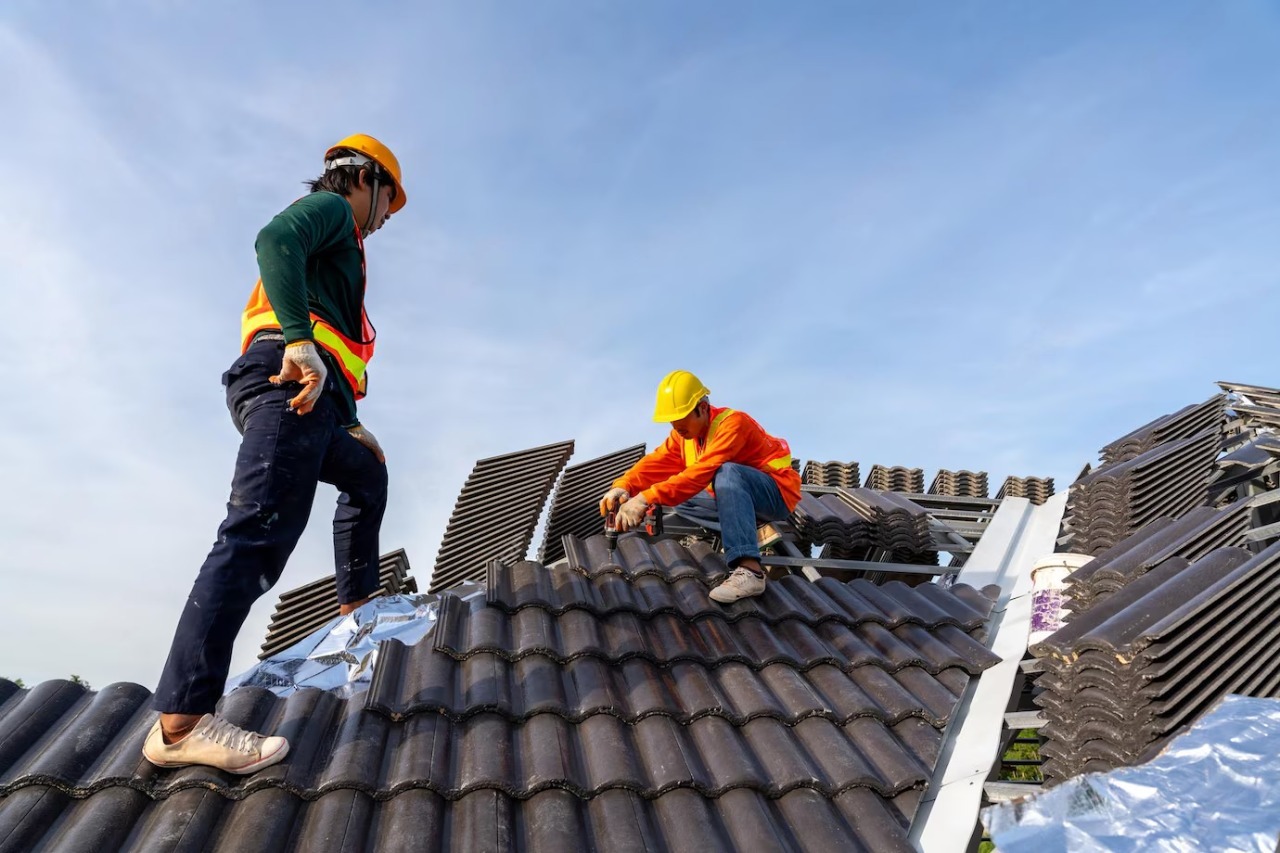
But even metal roofs depend heavily on proper installation.
Loose fasteners or poor ventilation can create problems that the material alone cannot solve.
That part surprises some homeowners.
Learning practical ways homeowners protect their roofs longer
Once homeowners start researching roofing materials, the information tends to expand quickly. Lifespan comparisons lead to maintenance guides. Maintenance guides lead to material comparisons. Then installation methods enter the conversation.
At some point many of them learn more about many homeowners and become curious about metal roofing systems. The topic keeps appearing in conversations about durability and roofs that last a long time. People mention them again and again. And eventually homeowners start wanting to understand why.
Some people decide metal roofing fits their home. Others choose different materials.
But the process of understanding how roofs age and how maintenance affects them usually helps homeowners make a much more confident decision about what comes next.